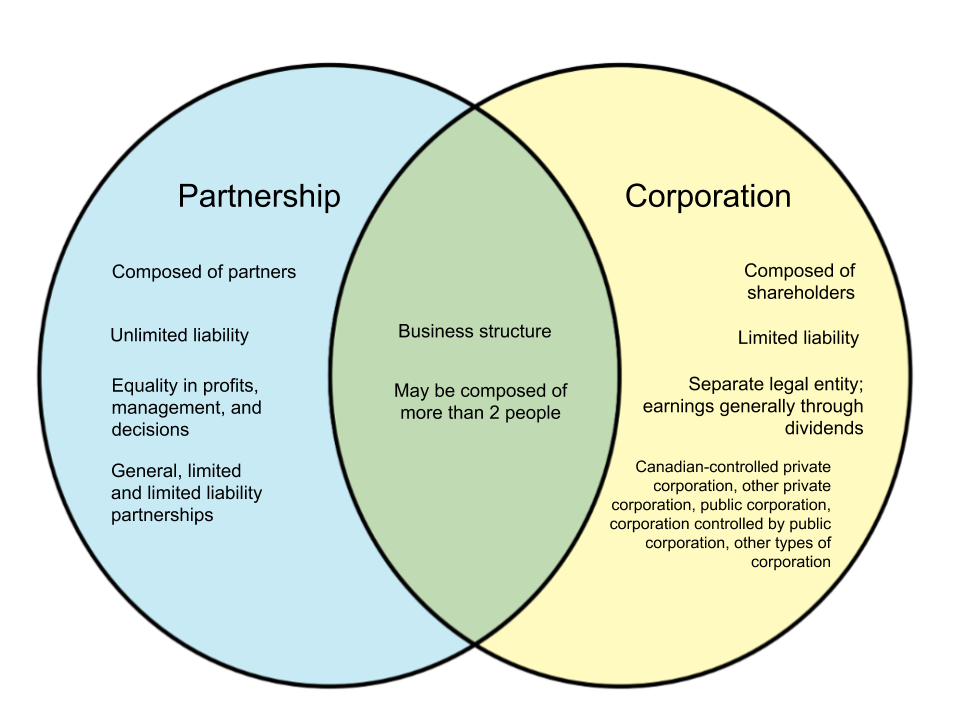
In today's worldwide economy, recognizing company information is essential for various stakeholders, including capitalists, job seekers, competitors, and federal government companies. A company is a legal entity that is distinct and different from its owners. Companies can possess property, incur obligations, and undergo tax. good american company information have the capacity to enter right into contracts, be and sue taken legal action against in their own. This makes the info relating to companies not simply substantial yet vibrant and substantially impactful. Company details usually incorporates a wide array of information factors like business governance, financial health, tactical direction, market setting, and compliance status.
Accessibility to accurate and detailed company details can promote far better financial investment decisions, boost competitive techniques, and make sure regulative conformity. It aids in assessing a business's stability, development possibility, and total health. Financial declarations, earnings reports, and public disclosures are main sources of such information. Additionally, business social responsibility (CSR) initiatives and environmental, social, and administration (ESG) efficiencies are increasingly coming to be important parts of company information, showing a company's dedication to honest and lasting practices. Understanding these elements can considerably influence investor value and public understanding. Accessing and assessing right firm info is important in the contemporary service landscape.
Introduction of Modern Company Features and frameworks
In the landscape of contemporary service, corporations stand as complicated entities characterized by their multifaceted features and distinct frameworks. These companies are generally developed as legal entities separate from their owners, permitting them to possess property, become part of contracts, and incur liabilities separately. At the heart of every company is its business structure, commonly delineated right into three crucial rates: police officers, directors, and investors. Shareholders are the proprietors of the firm, investing funding and in return, getting shares representing component possession. see this play a crucial function in business governance, primarily via voting legal rights that allow them to affect major decisions, consisting of the election of the board of directors. The board, consisting of chosen individuals, holds the responsibility of supervising the corporation's strategic instructions and making certain that it abides by legal and honest requirements. They assign police officers-- such as the President (CEO), Principal Financial Policeman (CFO), and others-- that handle the daily procedures and execute the board's approaches. This hierarchical framework is supplemented by different divisions such as advertising and marketing, personnels, and IT, each led by experts that add to the core goals of the corporation. Recognizing these layers and their communications is crucial for grasping just how modern companies feature and evolve in a competitive worldwide industry.
Key Components of Firm Framework and Governance
In the world of business governance, understanding the framework and functional frameworks of corporations is crucial. trademark fair use , by their actual nature, are complex entities identified by their durable hierarchical frameworks, legal responsibilities, and administration plans that direct their procedures across different sectors. At the core of every company is its board of directors, liable for making crucial choices that form the business's future and ensure its adherence to ethical and legal standards. These individuals are chosen by shareholders and birth the significant obligation of looking after the company's administration, strategic instructions, and financial health and wellness. Furthermore, the exec monitoring team, including the chief executive officer, CFO, and various other key police officers, plays an essential duty in the everyday procedures and execution of the board's policies. This group is entrusted with navigating market obstacles, guiding company strategy, and maintaining operational efficiency to attain the organization's objectives. The interaction in between the board and management is regulated by inner plans, regulative needs, and shareholder expectations, which with each other develop a vibrant setting that requires consistent caution and adjustment. Additionally, corporations must additionally browse complicated lawful landscapes, that include conformity with monetary laws, environmental legislations, and international trade contracts, every one of which need careful attention to information and positive administration techniques. This complex internet of assumptions and responsibilities makes business administration an essential location of focus for any type of firm intending to do well in the highly affordable and controlled modern-day service setting.
Recognizing Business Framework and Administration
At the heart of any type of company exists its framework and governance systems, which define the systems and plans through which the business is directed and controlled. A normal company framework includes shareholders, a board of directors, and exec monitoring groups. The investors are the owners of the firm and exercise their power by electing on significant issues at investor meetings. This group's main authority includes the political election of the board of directors and authorization on considerable issues such as mergings, acquisitions, and the firm's general critical instructions. The board of supervisors, chosen by the investors, carries the duty of looking after the company's management, ensuring that the company complies with lawful standards and acts in the most effective rate of interest of the investors. The board is important in providing critical assistance and making essential choices that form the future of the business, consisting of the option and analysis of magnate police officers. On the other hand, the exec administration, led normally by the President (CHIEF EXECUTIVE OFFICER), takes care of the daily operations and administration of the business, executing the board's decisions and plans. They are crucial in maintaining the company's functional stability, steering its temporary goals, and making certain that it remains on a course that straightens with the established long-lasting strategic objectives. This multilayered structure assists in an equilibrium of power, cultivating a durable structure for operational oversight and strategic planning that is essential for any kind of growing company.
Comprehending Corporate Structures and Governance
The complexities of company frameworks and administration are essential for comprehending just how companies operate at an essential level. Corporations, set apart by their intricacy and size, embrace numerous structural kinds to successfully manage procedures and satisfy tactical goals. Typically, a company is governed by a board of supervisors that are chosen by shareholders to oversee the wider strategic direction of the firm. This board is in charge of making crucial decisions that consist of the hiring of magnates, such as the Ceo (CEO), and formulating overarching policies. Beneath this leading layer of governance, the corporate structure can be separated into various departments such as Human Resources, Finance, Advertising, and Workflow, each led by elderly execs that coordinate specific locations of the organization. The segmentation permits specialized groups to focus on distinctive elements of business, advertising efficiency and professional handling in each domain name. Additionally, contemporary corporations are increasingly welcoming honest governance techniques that include sustainability and social responsibility, recognizing that long-term success is very closely linked to their online reputation and social influence. This development in administration reflects a wider shift towards transparency and liability, driven by both consumer assumptions and regulatory demands.